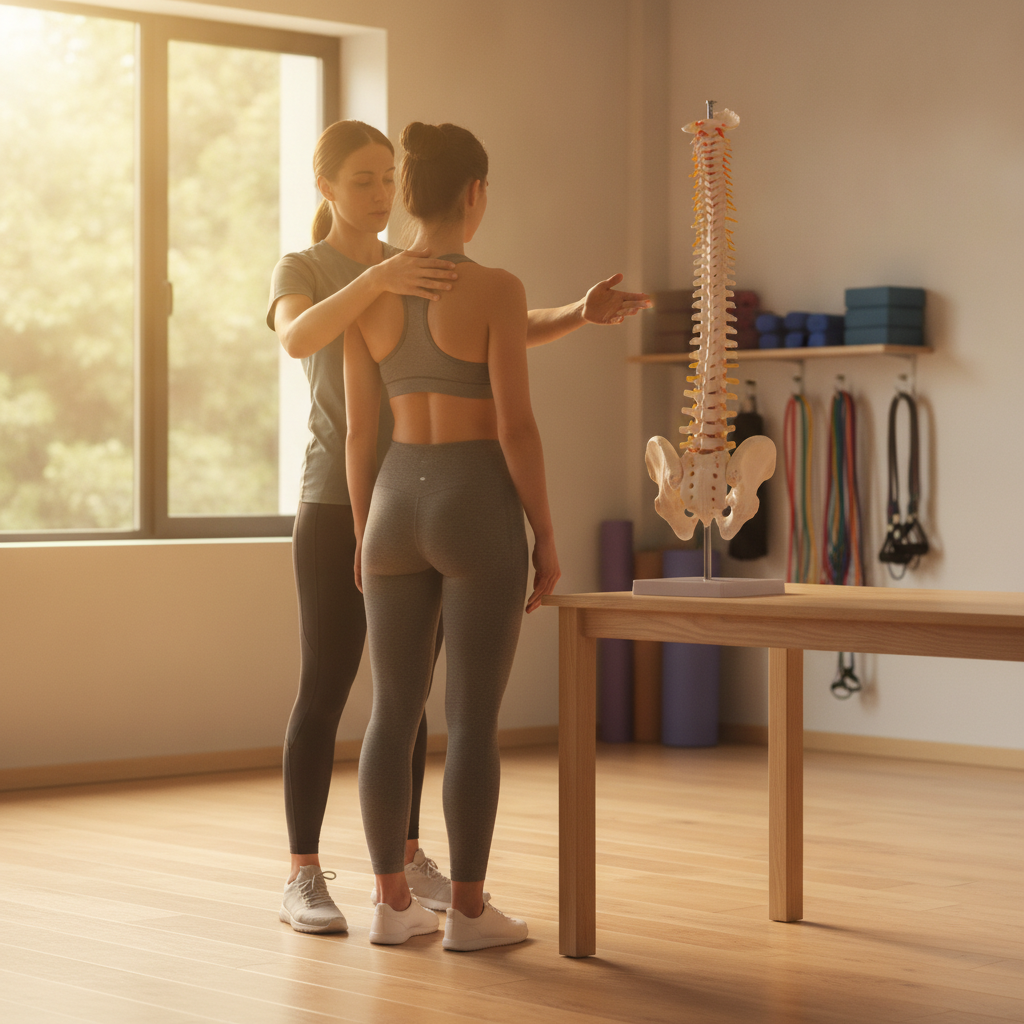
Chronic back pain lasting beyond 12 weeks requires a different approach than acute pain. Most people benefit from multimodal treatment combining physical, psychological, and sometimes medical interventions.
When Conservative Care Plateaus
If physical therapy, exercise, and activity modification have reached their limit after 8-12 weeks, reassess your approach. Sometimes the issue isn't lack of effort but misalignment between your pain source and your treatment strategy.
Functional imaging like MRI can help clarify structural issues when imaging hasn't been performed. Injections targeting specific nerves or joints can reduce pain significantly, allowing you to engage in rehabilitation.
Interventional Options
Epidural steroid injections deliver medication directly to inflamed nerves. Success rates vary but many people experience 4-12 weeks of relief, sufficient time to complete rehabilitation.
Facet joint injections target pain originating from these small joints along the spine. Medial branch blocks identify whether facet joints are the pain source before committing to ablation procedures.
Psychological Approaches
Chronic pain involves significant nervous system sensitization. Cognitive behavioral therapy and mindfulness meditation reduce pain perception. Many pain rehabilitation programs integrate these approaches alongside physical therapy.
Spinal Cord Stimulation
For carefully selected patients, spinal cord stimulation devices can substantially reduce pain. These devices send gentle electrical pulses that interfere with pain signals. Success requires proper patient selection and rehabilitation support.
Surgical Consideration
Surgery is appropriate for specific structural problems—herniated disc with nerve compression causing progressive neurological deficit, spinal stenosis with severe functional limitation, or unstable spondylolisthesis.
Integration Approach
The most effective chronic pain management combines physical rehabilitation, psychological support, medical management, and sometimes interventional procedures, tailored to your specific pain source and situation.
← Back to Home